Project Impact Highlights : Reaching Zero-Dose Children in Dadaab.
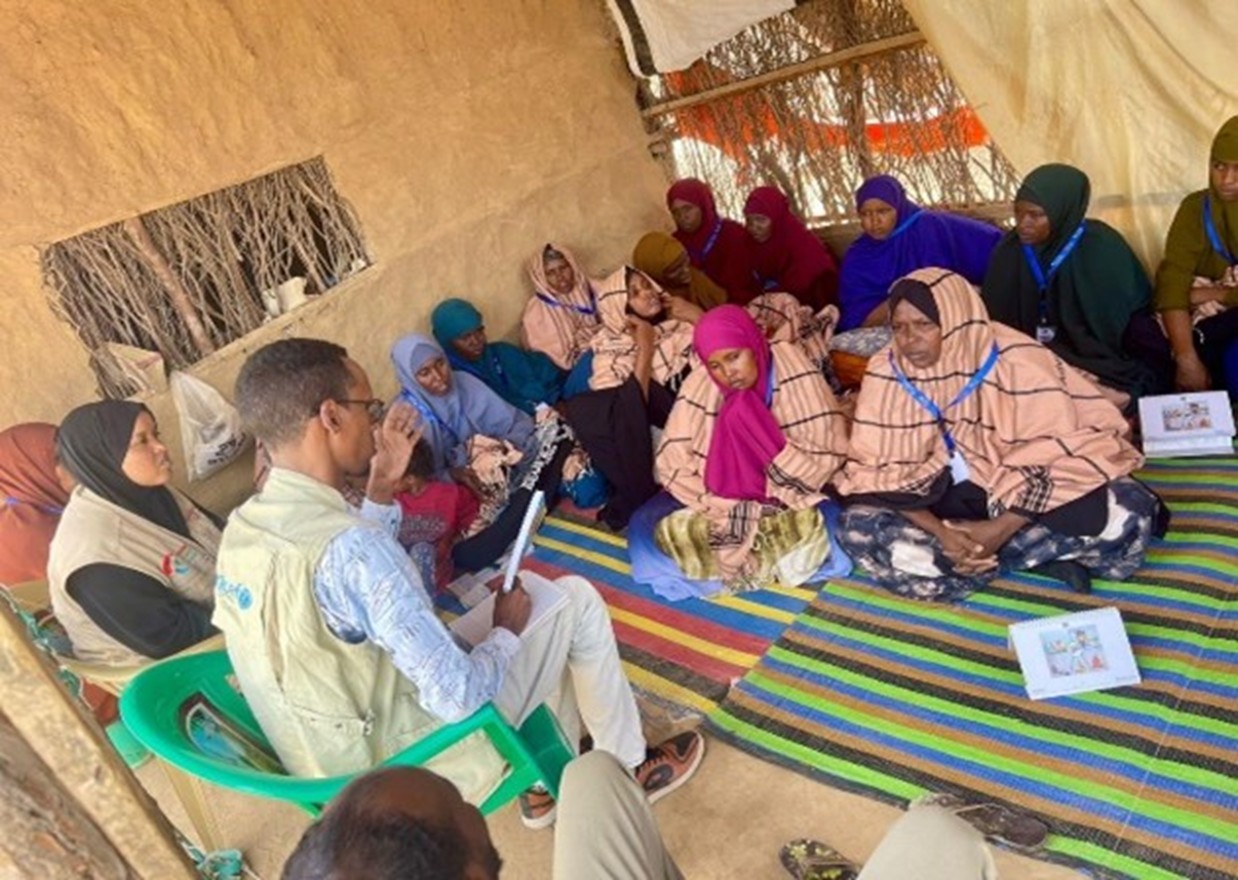
Project Impact Highlights : Reaching Zero-Dose Children in Dadaab.
The Zero Dose Project has made significant progress in improving immunization coverage among vulnerable children in the Dadaab refugee camps and surrounding cross-border communities.
Key Successes.
Over the past year, the project has:
- Identified and reached the unreached:
Tracked 1,515 newly arrived families and identified 2,382 children under five, many of whom had never received any vaccines. - Reduced zero-dose prevalence:
Through coordinated interventions, the proportion of zero-dose children has significantly declined compared to the previous year, reflecting improved access to immunization services. - Strengthened community-based systems:
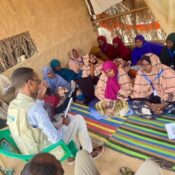
Engaged 100 Care Group Mothers and 15 community mobilizers, who conducted regular sensitization sessions and household outreach, reaching hundreds of families. - Expanded immunization coverage:
Supported major vaccination campaigns, contributing to:- 68,759 children vaccinated against measles-rubella
- 123,249 children vaccinated with the typhoid conjugate vaccine
in the Dadaab refugee complex.
- Improved cross-border coordination:
Worked closely with partners including Ministry of Health, UNHCR, WHO, UNICEF, and others to enhance surveillance, data sharing, and response to disease outbreaks. - Strengthened health systems:
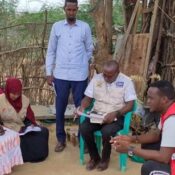
Conducted joint supervision visits and on-the-job training for healthcare workers, improving data quality, surveillance, and service delivery.
Success Story : From Zero-Dose to Fully Immunized.
When families arrive at the Dadaab refugee camps after long and difficult journeys, many children have never received a single vaccine.
Through the Zero Dose Project, community mobilizers and Care Group Mothers actively track and identify these children at entry points and within the camps. One such effort led to the identification of over 1,000 zero-dose children through community networks alone.
Mothers in remote and underserved areas, including across the Somalia border, were engaged through regular sensitization sessions. With increased awareness and support:
- 450 children were successfully referred to health facilities for vaccination
- 227 children completed their full immunization schedule, giving them protection against life-threatening diseases
This transformation is not just about numbers. It reflects growing trust in health services, improved awareness among caregivers, and stronger links between communities and health systems.
Despite challenges such as limited health facilities in some remote areas, community-led approaches continue to bridge the gap, ensuring that no child is left behind.

All Categories
Recent Posts
Finding Their Voice : How Life Skills Education is Transforming Learners in Wajir County.
Project Impact Highlights : Reaching Zero-Dose Children in Dadaab.
Early Detection Protects Children from Polio Risk in Dadaab Refugee Complex.